

Vietnam National Village of Ethnic Culture
Vietnam is home to 54 officially recognized ethnic groups, each with its own language, clothing, architecture, festivals, and spiritual beliefs. For travelers who want to understand Vietnam beyond modern cities, this cultural complex near Hanoi offers one of the most comprehensive introductions to the country’s diversity.
Located about 40 km west of central Hanoi (Sơn Tây area), the Vietnam National Village of Ethnic Culture and Tourism is both a living museum and a national cultural preservation project.
View Vietnam National Village of Ethnic Culture (Làng Văn hóa Du lịch các Dân tộc Việt Nam) on Google maps: https://maps.app.goo.gl/13rQmA5U8SnC3e9S8
Why Vietnam’s ethnic diversity matters
Besides the majority Kinh (Viet) people, 53 ethnic minority communities live across Vietnam’s mountains, highlands, deltas, and coastal regions. Some notable groups include:
- Hmong – Known for colorful handmade textiles and terraced rice farming.
- Dao – Recognizable by red headscarves and silver jewelry.
- Tay – Famous for stilt houses and traditional folk songs.
- Cham – Descendants of the ancient Champa civilization with strong religious traditions.
- Khmer Krom – Practicing Theravada Buddhism in the Mekong Delta.
The village allows visitors to explore these cultures in one destination instead of traveling across the entire country.
What to see and experience
Traditional architecture
The complex recreates authentic houses from different regions:
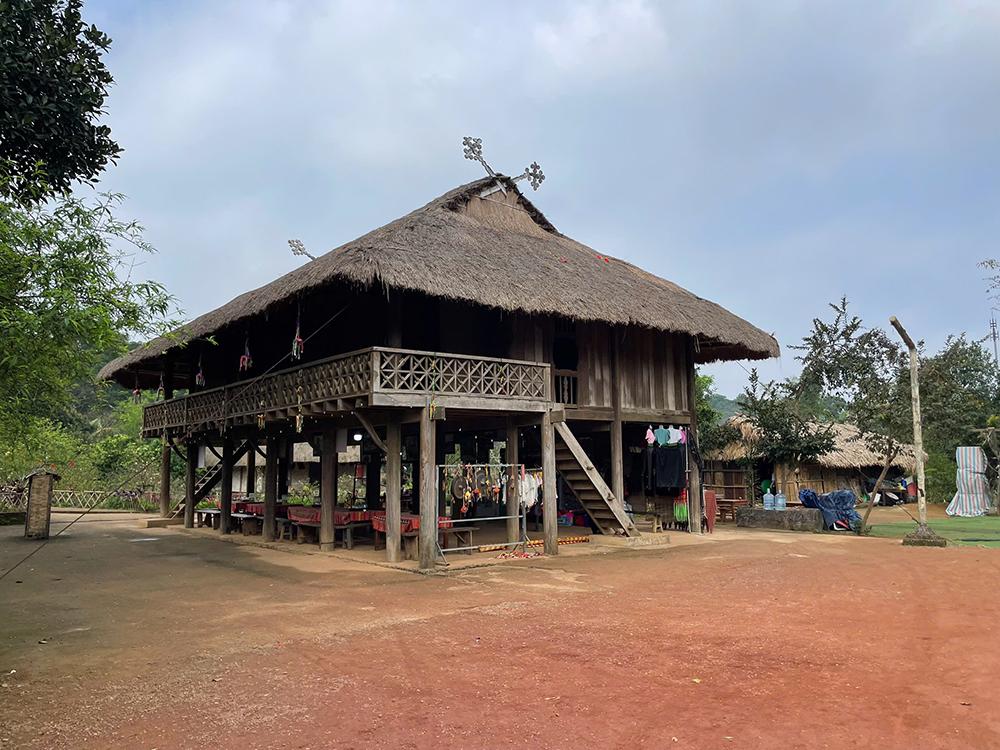
Northern mountain stilt houses
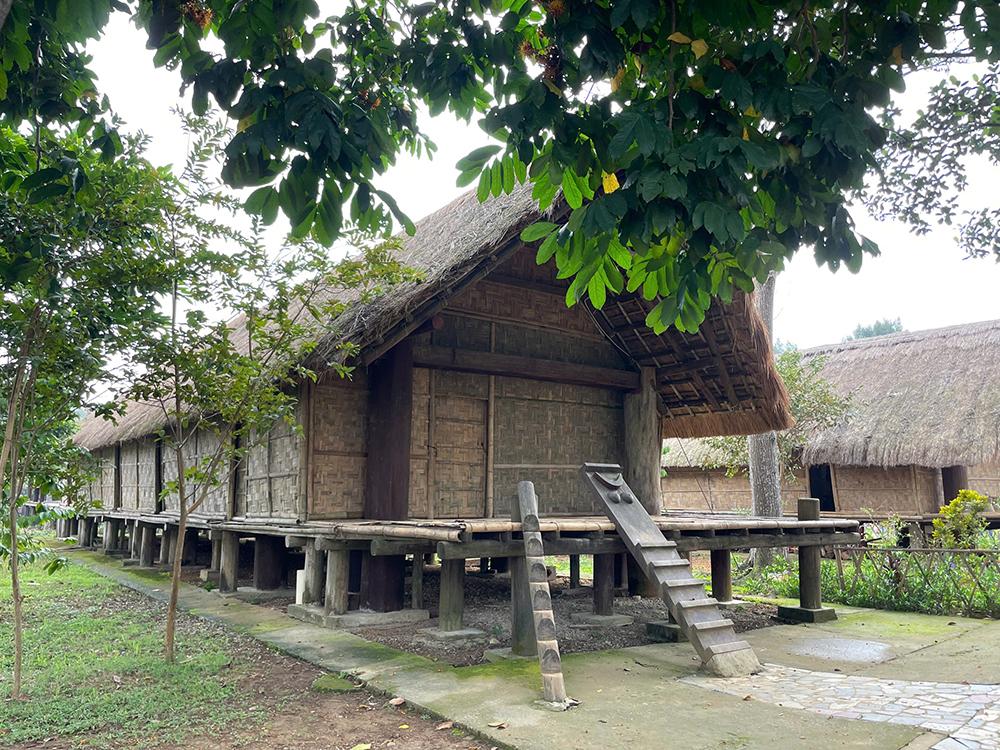
Central Highlands longhouses
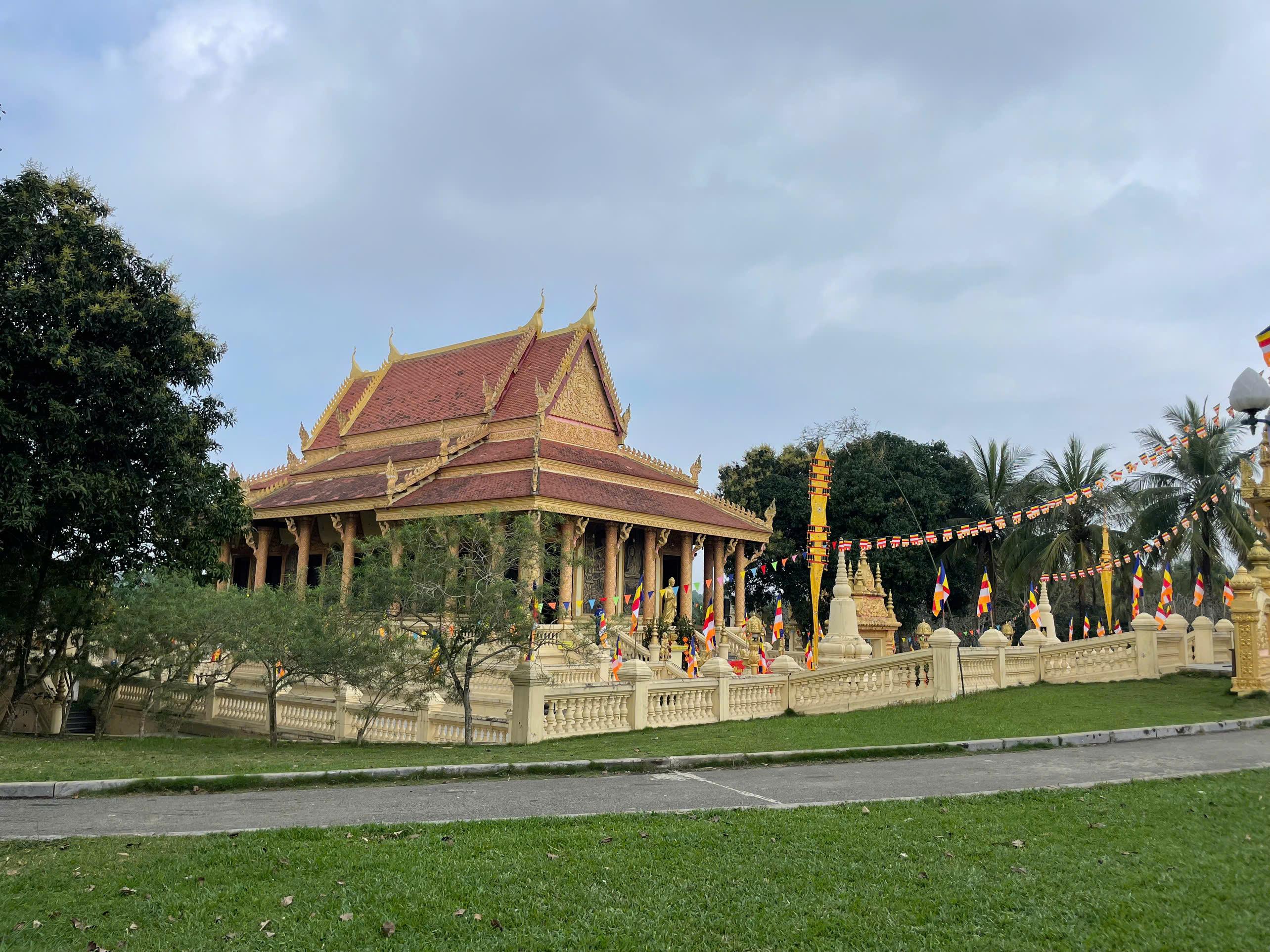
Southern Khmer-style religious buildings
Many structures are built using traditional methods and cultural symbolism.
Cultural performances and festivals
On weekends and Vietnamese national holidays, visitors may enjoy traditional dances, music, harvest ceremonies, and community rituals. Weekdays are quieter and better for photography or relaxed exploration.
Handicrafts and daily life
Live demonstrations of weaving, basket-making, farming tools, and wood carving help visitors understand how culture connects with daily life.
Spiritual and religious spaces
Temples, communal houses, and sacred areas represent beliefs such as:
- Ancestor worship
- Animism
- Buddhism
- Islam
Visitors should behave respectfully, especially near altars and ceremonial objects.
Ticket prices and electric cart service
The entrance ticket is mandatory. The electric cart service inside the complex is optional but recommended due to the large area.
Official ticket prices (per visitor)
| Category | Entrance | Electric cart | Total (with cart) |
|---|---|---|---|
| Adults | 30,000 VND | 40,000 VND | 70,000 VND |
| Seniors (60+), people with disabilities, national contributors | 15,000 VND | 25,000 VND | 40,000 VND |
| University / College students | 10,000 VND | 25,000 VND | 35,000 VND |
| Students (Grade 1–12) | 5,000 VND | 25,000 VND | 30,000 VND |
| Children under 6 | Free | Free (if sharing seat) | Free |
Important notes for foreign visitors
- Most international travelers will purchase the adult ticket.
- Bring passport if requesting senior discount.
- Payment is usually in Vietnamese Dong (cash preferred).
Prices are very affordable compared to major cultural attractions worldwide.
How to get there
Distance: ~40 km from central Hanoi
Travel time: 60–90 minutes
Transport options:
- Taxi / ride-hailing apps (Grab)
- Private car
- Motorbike (experienced riders only)
- Public bus (budget option, longer travel time)
Avoid Hanoi rush hours (7–9 AM and 4:30–6:30 PM).
Best time to visit
- Weekends: More performances, more visitors
- Weekdays: Quiet and peaceful
Weather tips:
- May–August: Hot and humid
- November–February: Cooler, sometimes chilly
Wear comfortable shoes, sunscreen, and bring water.
Cultural etiquette and visitor guidelines
Although designed for tourism, this site represents real ethnic communities.
Please:
- Dress modestly near temples or communal houses
- Remove shoes when required
- Ask permission before photographing individuals
- Avoid touching sacred objects
- Stay quiet during rituals
Respectful behavior ensures a meaningful cultural experience.
Combine with nearby attractions
You may combine your visit with:
- Làng cổ Đường Lâm – A preserved ancient Vietnamese village.
- Ba Vì National Park – Ideal for mountain scenery and nature exploration.
Why this destination is worth visiting
The Làng Văn hóa – Du lịch các Dân tộc Việt Nam is not a theme park. It is a national effort to preserve traditions in the face of modernization.
For international visitors, it offers:
- A structured introduction to Vietnam’s 54 ethnic groups
- Insight into rural life and spiritual traditions
- An educational and culturally respectful experience near Hanoi
It is especially recommended for travelers interested in anthropology, history, education, and cultural tourism.
Nearby attractions
(Distances shown are straight-line estimates, not actual travel distance.)
- Thien Son – Suoi Nga - Hidden Waterfall Escape in Ba Vi (about 9 km northwest)
- Ba Vi Old French Church Ruins - Mystical Colonial Landmark in Hanoi (about 10 km west)
- Ho Chi Minh Temple Ba Vi - Sacred Mountain Tribute in Hanoi (about 10 km west)
- Ao Vua Tourist Area - Waterfalls and Mythology in Ba Vi (about 11 km northwest)
- Tan Vien Temple - Sacred Mountain of Son Tinh Legend (about 13 km west)
- Ba Vi National Park - Nature and Sacred Mountains Near Hanoi (about 14 km west)
