

Vietnamese currency & payments
Understanding how money works in Vietnam will help you travel more comfortably and avoid common confusion. While digital payments are growing quickly, cash is still widely used, especially in local shops and traditional markets.
This guide gives you a practical overview of Vietnamese currency, banknotes, payment methods, and useful tips for first-time visitors.
The Vietnamese Dong (VND)
Vietnam’s official currency is the Vietnamese Dong (VND). Prices in Vietnam are typically written with many zeros, which may feel confusing at first, but this is completely normal.
Coins exist in theory, but in daily life, almost all transactions are done using paper banknotes.
Common Vietnamese banknotes
Vietnamese banknotes come in various denominations, from very small values to large ones. Lower-value notes are often used as change, while higher denominations are common for accommodation, transport, and shopping.
Some small denominations you may still encounter include:
₫1,000 – used for very small purchases or rounding change
₫2,000 – occasionally used in local markets
₫5,000 – commonly used for snacks, drinks, or small services
More commonly used banknotes include ₫10,000, ₫20,000, ₫50,000, ₫100,000, ₫200,000, and ₫500,000.
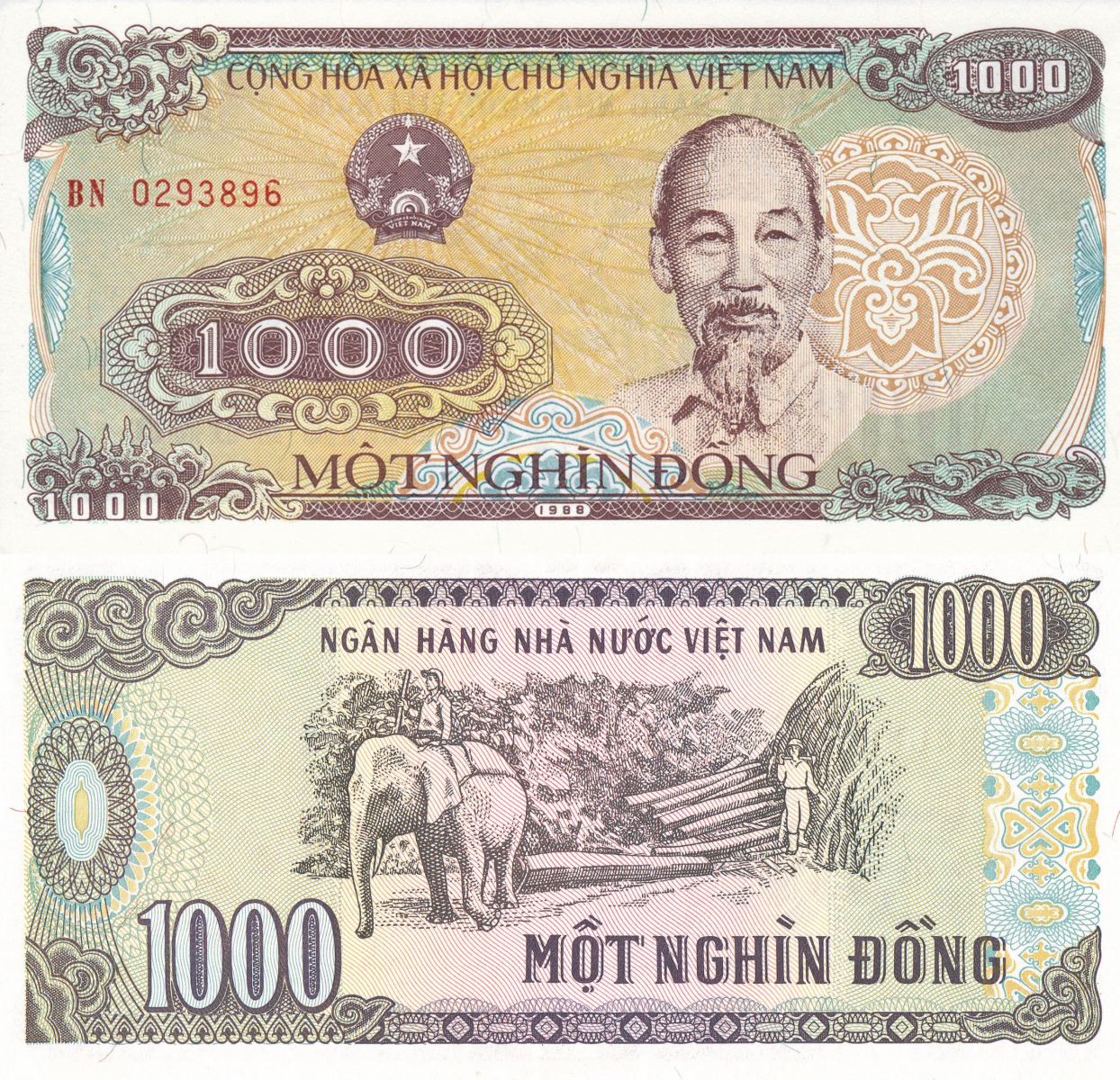
1 000 vnd, ~
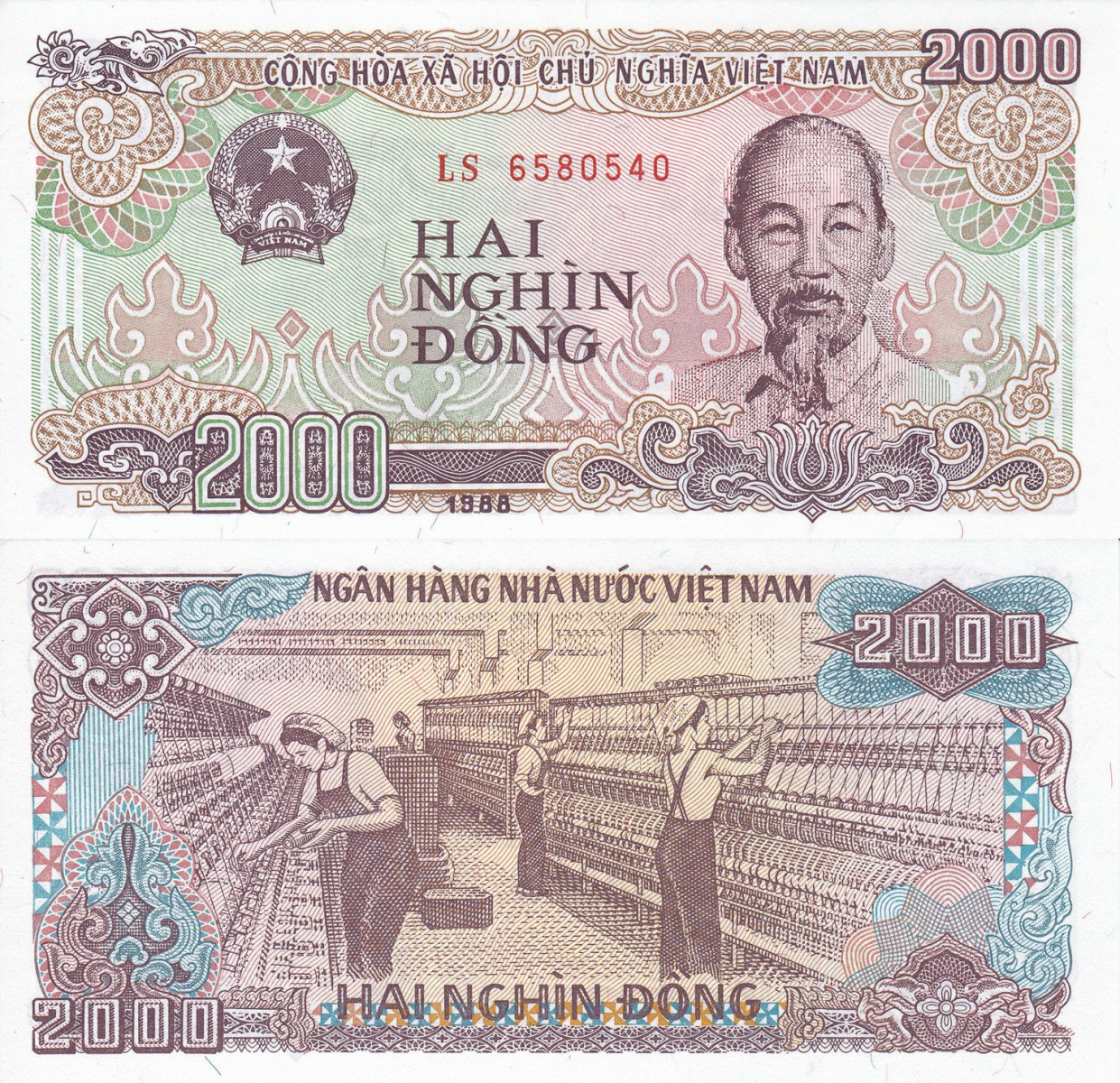
2 000 vnd, ~
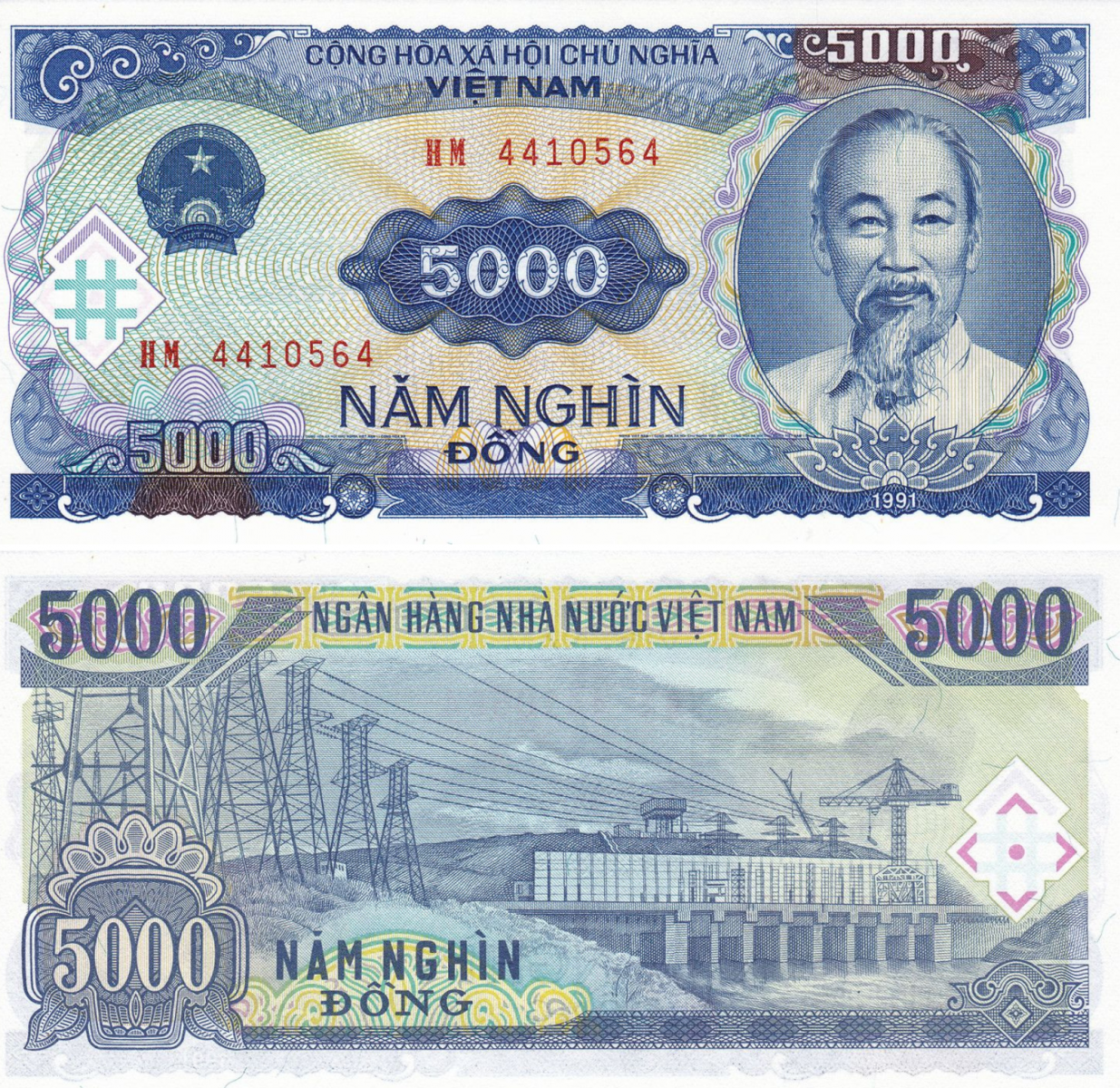
5 000 vnd, ~
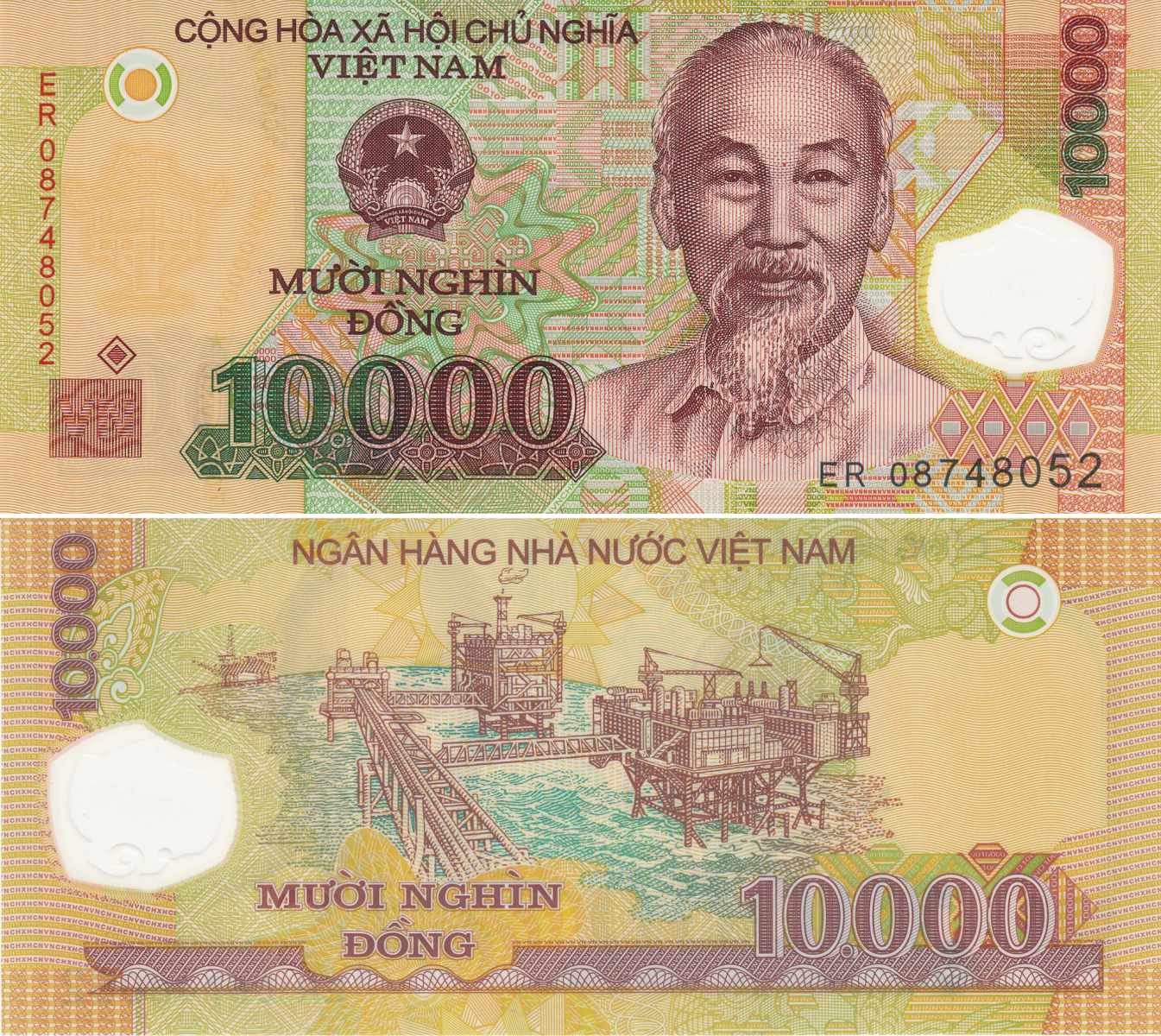
10 000 vnd, ~
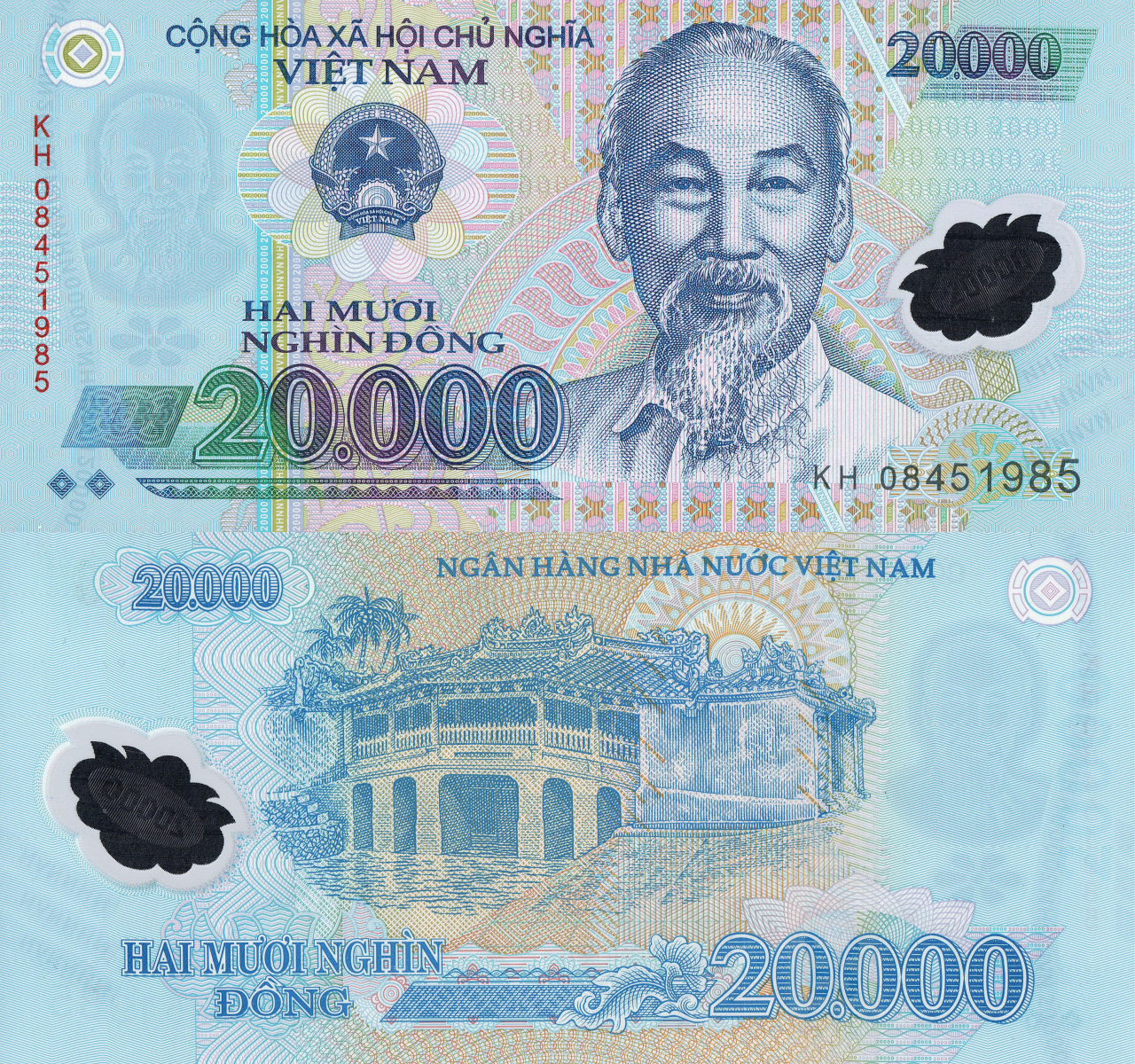
20 000 vnd, ~
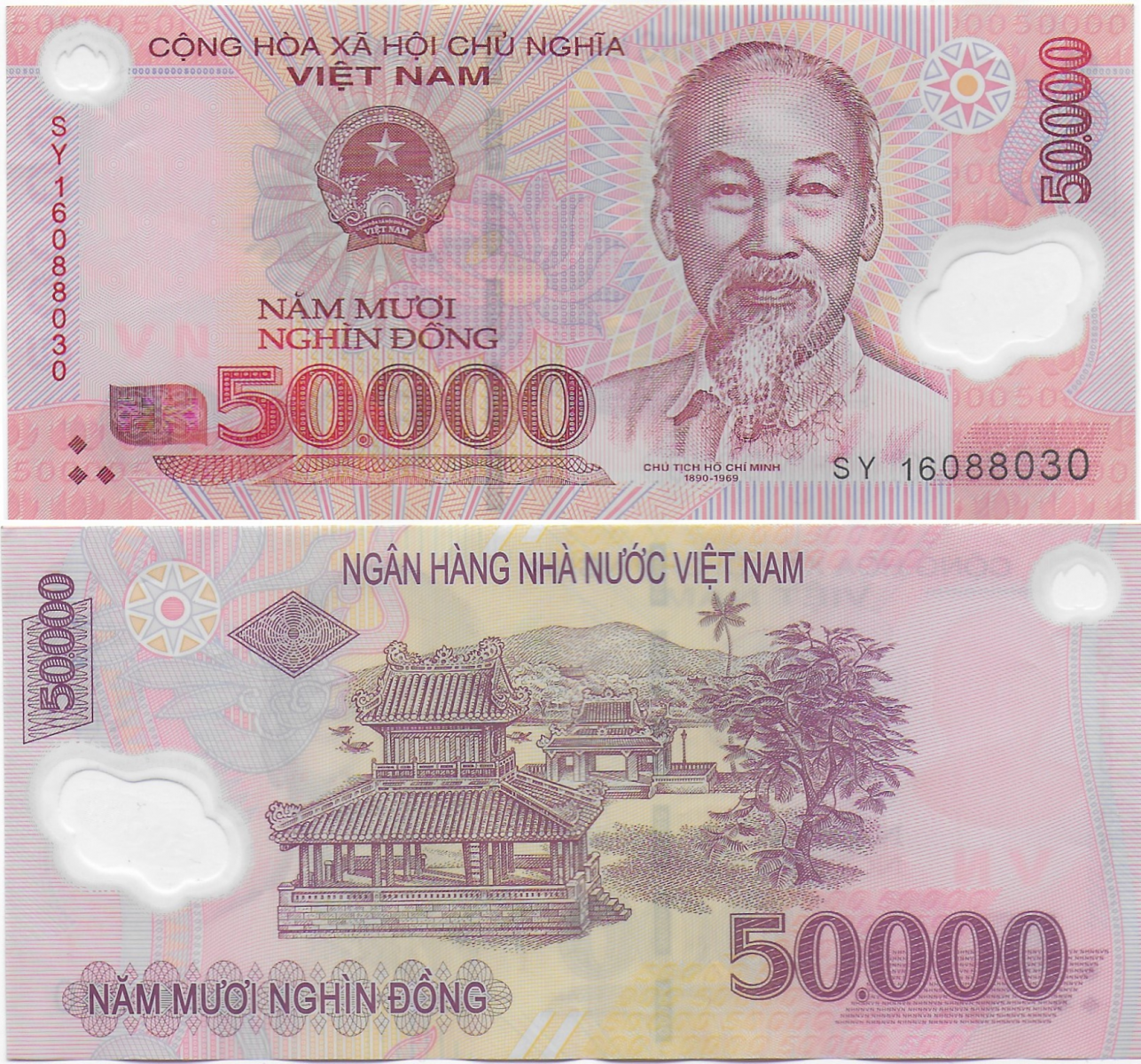
50 000 vnd, ~
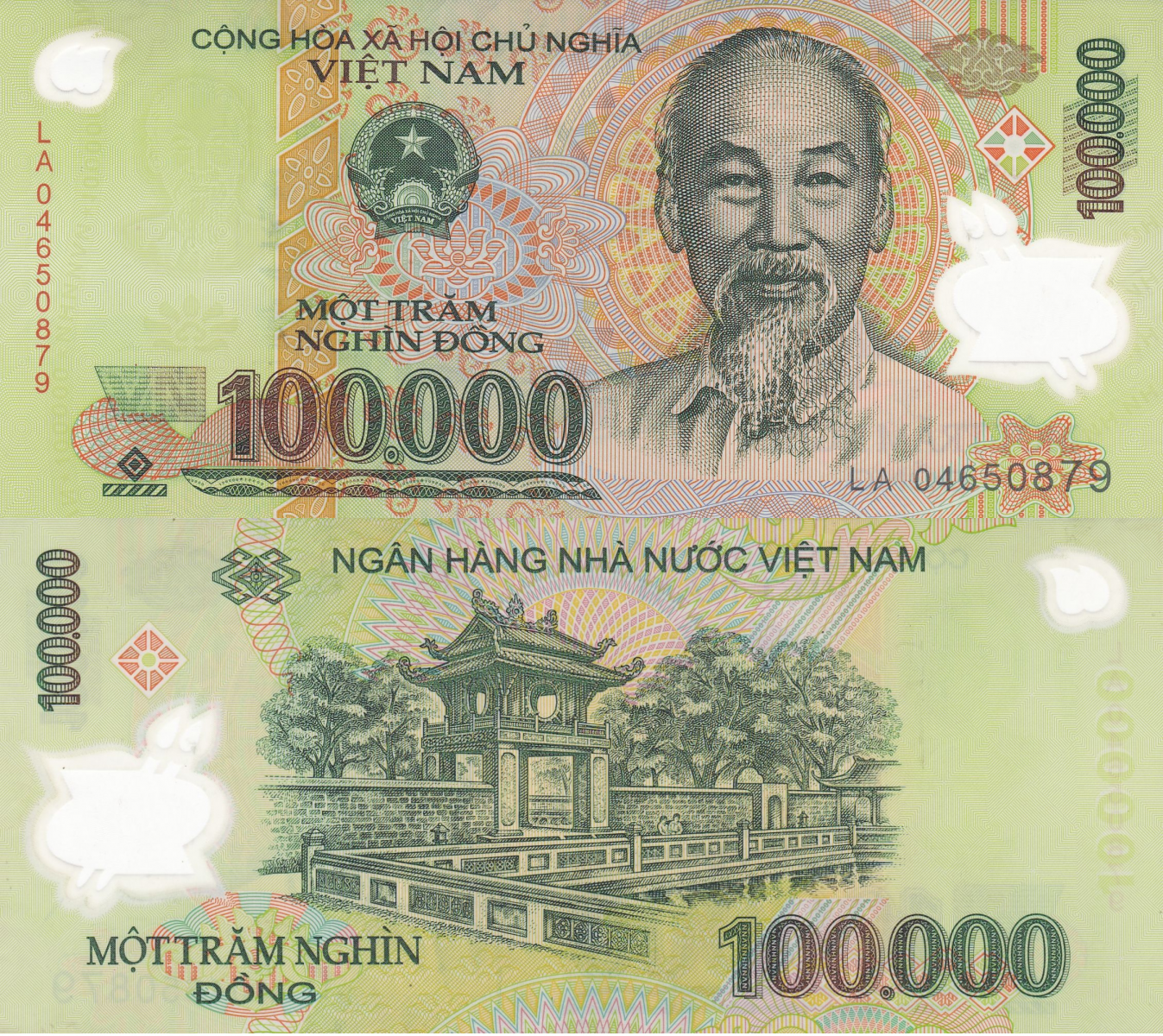
100 000 vnd, ~
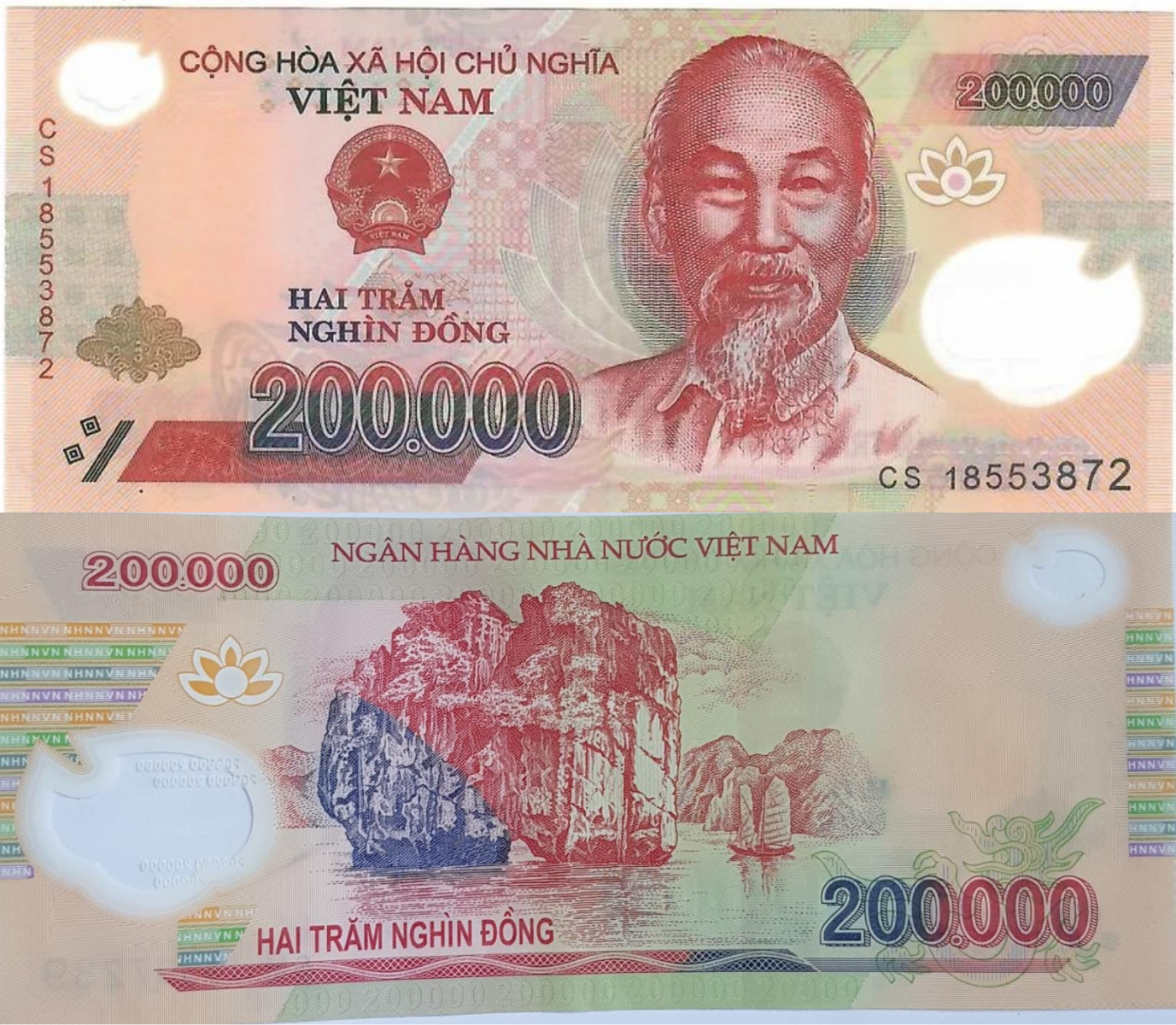
200 000 vnd, ~
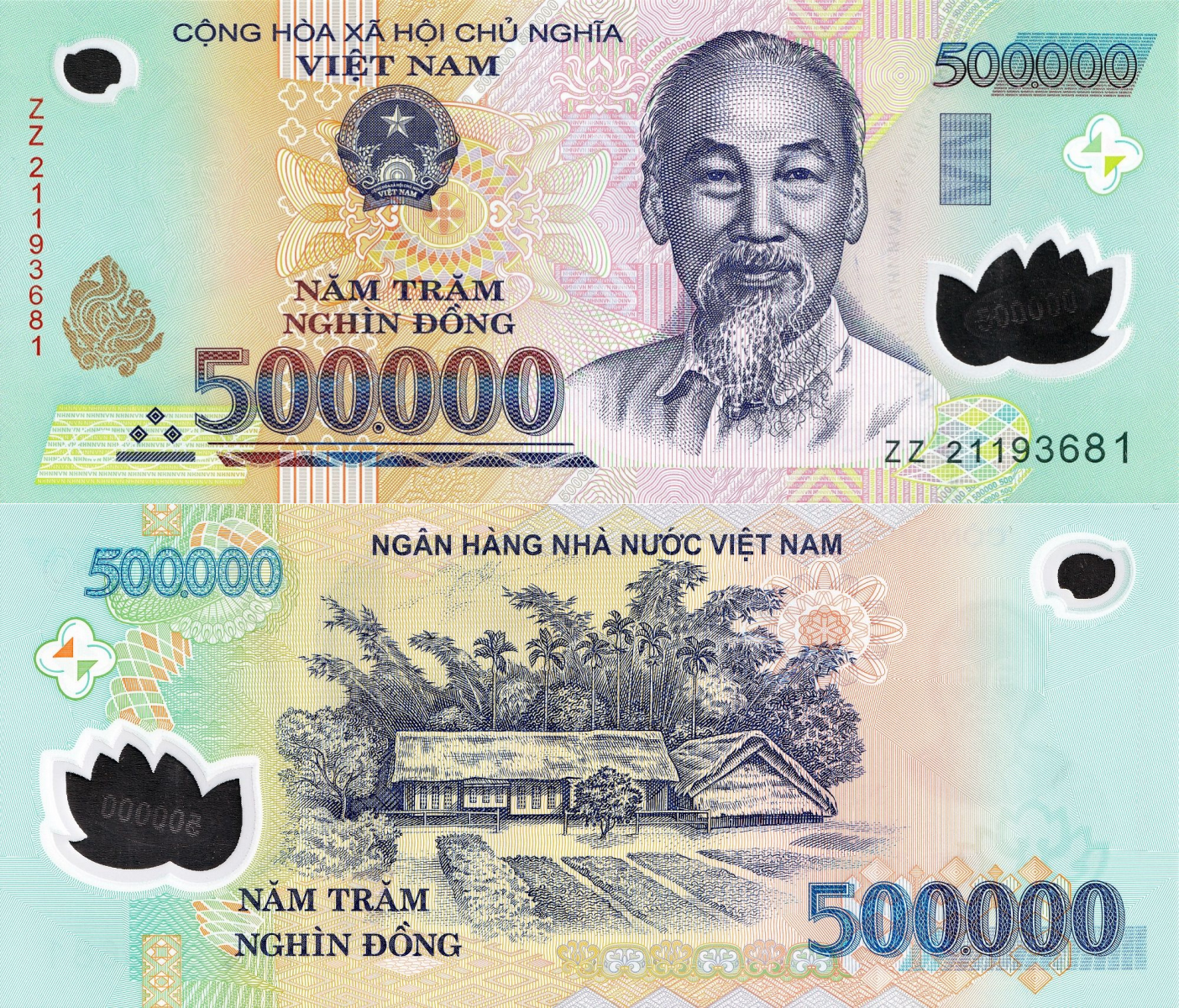
500 000 vnd, ~
Tip: Many notes are similar in size and color, so it’s a good habit to double-check the number of zeros before paying.
Cash vs. card payments
Cash is still the most reliable payment method in Vietnam. It is accepted almost everywhere, including street food stalls, taxis, small shops, and rural areas.
Credit and debit cards are widely accepted at hotels, shopping malls, larger restaurants, and tourist services in major cities. However, some places may charge a small extra fee for card payments.
ATMs & withdrawing money
ATMs are easy to find in cities, airports, and tourist areas. Most accept international cards and dispense Vietnamese dong.
There may be withdrawal limits and transaction fees, so withdrawing a larger amount at once can help reduce fees.
Mobile payments & e-wallets
Mobile payments and QR codes are becoming more common in Vietnam, especially in big cities. However, most local e-wallets require a Vietnamese bank account, making them less practical for short-term visitors.
For most travelers, cash + card remains the safest and simplest combination.
Exchange rates & quick conversion
Exchange rates change daily and vary slightly between banks and exchange offices. Below is a rough reference to help you estimate values while traveling.
Approximate exchange rates (reference only)
Currency Approx. value
1 USD ~25,000 VND
1 EUR ~27,000 VND
1 GBP ~31,000 VND
1 JPY ~170 VND
These rates are for quick estimation only. For accurate, up-to-date rates, always check an official exchange rate page or a local bank.
Quick VND to USD reference
VND Approx. USD
₫10,000 ~$0.40
₫50,000 ~$2.00
₫100,000 ~$4.00
₫500,000 ~$20.00
Currency exchange tips
You can exchange money at airports, banks, hotels, and licensed exchange counters. Banks usually offer the most reliable rates, while airport exchange counters may be slightly less favorable.
US dollars and euros are the easiest currencies to exchange. Always avoid unofficial exchange services.
Practical money tips for travelers
- Keep small bills for daily expenses
- Count your change carefully
- Tipping is not mandatory, but appreciated for good service
- Bargaining is common in traditional markets, but prices are fixed in modern stores
Learn more about money in Vietnam
In our travel guides, you’ll find more detailed articles about currency exchange, ATM fees, tipping culture, and payment tips by city — helping you manage your money confidently throughout your trip in Vietnam.

 English
 Arabic
 French
 Spanish
 Portuguese
 Deutsch
 Turkish
 Dutch
Dutch
 Russian
 Romaian
 Portuguese (Brazil)
 Greek
Greek